Block Puzzle Tips: Clear Lines and Keep Space Open
Updated
In a grid block puzzle you drag shapes onto a square board, and any row or column you fill completely clears. The run ends when none of the pieces you hold fits anywhere. Every clear scores, clearing several lines at once often scores extra, and runs last longest when you always keep room for the biggest pieces.
How grid block puzzles work
Grid block puzzles are not falling-block games. In the genre Tetris started in the 1980s, pieces fall one at a time and only full horizontal lines clear. Here nothing falls: you place each shape wherever it fits, and full columns clear as well as full rows.
- You get pieces in a tray. In several of the games below, that means three at a time.
- You drag each piece onto free cells where its whole shape fits.
- A full row or a full column clears and frees its cells.
- In Block Crush, Ocean Blast: Block Puzzle, Wood Block Journey and Electrix, clearing several lines with one placement scores extra.
- The run ends when no piece in your tray fits on the board.
Boards in the games below
| Game | Board | From the game's own rules |
|---|---|---|
| Block Crush | 8×8 | Pieces never rotate; you can see the three pieces coming up |
| Block Blaster | 8×8 | Blocks cannot be rotated |
| Ocean Blast: Block Puzzle | 8×8 | Endless mode plus an Adventure mode with 100 levels |
| Wood Block Journey | 9×9 | Rows, columns or squares clear; Endless and Level modes |
| Blockify | 10×10 | 100 levels with target scores and a timer; Hammer and Refresh power-ups |
| Block Fusion | 8×8 to 10×10 | All three pieces must be placed before new ones appear; three lives |
| Blokku | 11×11 | Full rows and columns clear; when the board fills up, the game is over |
| Electrix | 11×11 | The more lines you clear at once, the higher the score |
Tip 1: Keep room for the big pieces
Runs rarely end on a small piece. They end when a long bar or a big square arrives and there is no space left for it.
Keep at least one open area where your game's largest shape fits, and one row or column with a long free stretch. When that space starts to close, make clearing it your next goal.
Tip 2: Plan every piece in the tray
When you get several pieces at once, decide where all of them go before you place the first. In Block Fusion, all three must be placed before new ones appear, so a bad order can leave the last piece with nowhere to go.
A good habit: try the biggest piece first while the space is still there. If it only fits after a line clears, make that clear first and place the big piece next.
Tip 3: Build along the edges, keep the middle open
A large open area in the middle accepts almost any shape. Scattered gaps accept only the pieces that happen to match them.
Fill along the edges and into the corners first, where awkward shapes can sit flush against the border. Leave the center for whatever the tray deals next.
Tip 4: Set up multi-line clears
In many of these games, clearing several lines with one piece pays more. Block Crush gives bonuses for several lines at once, and Ocean Blast: Block Puzzle and Block Fusion reward chained clears with combo points and multipliers.
The simplest setup is two rows that are each one cell short, with the gaps lined up. One piece that fills both gaps clears both rows. Rows and columns combine too: a piece that completes a row and a column at the same time clears both.
Do not hold a combo too long. A nearly full board waiting for one exact piece is one bad tray away from the end.
Tip 5: Avoid single holes
A single empty cell boxed in on all sides can only take a one-cell piece. Until it fills, the row and the column it sits in cannot clear.
Before you drop a piece, check what it leaves behind. A placement that scores now but seals a hole often costs more later.
Tip 6: Use power-ups where they free the most space
- Blockify: the Hammer clears any single cell, and Refresh gives you a new set of shapes.
- Blast Round Puzzle Block: Hammer and Shuffle help when the board gets crowded.
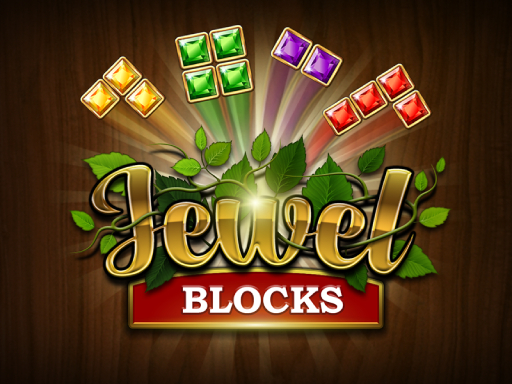
- Jewel Blocks: the undo charges up after 10 successful moves.
A hammer on the one cell that blocks two lines is worth far more than a hammer used at random.
Rotation: check before you plan
In Block Crush and Block Blaster, pieces cannot be rotated, so you plan around the exact shape you get. Blast Round Puzzle Block has a rotate button above each piece. Check the game's own instructions first, because the same tray plays very differently with and without rotation.
If you like falling blocks
Two games here bring falling-block ideas into the mix. In Sand Blocks: Clear the Lines, falling four-block pieces crumble into sand when they land, and you clear rows by managing how the sand flows. In Sand Blocks, you place three shapes at a time, each breaks into sand, and a full line of one sand color clears.
Common mistakes
- Filling the middle first. It leaves only edge gaps that most shapes cannot use.
- Placing pieces in the order they come. Look at the whole tray before the first move.
- Leaving single-cell holes. Each one blocks a row and a column at once.
- Chasing a combo on a full board. Survive first, score second.
- Forgetting the columns. In grid puzzles, a full column clears just like a row.
Block puzzles to play
Wood Block Journey is a calm start with no time limit, and Blockify adds levels with target scores.
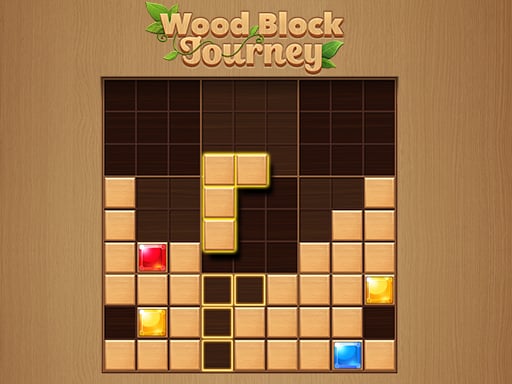




Wood Block Journey uses a 9×9 sudoku-style grid; if you like that board, the guide to sudoku rules and tips covers the number puzzle itself. For a grid where tiles slide and merge instead of clearing, see how to play 2048. More games are in puzzles.
FAQ
How do you get a high score in a block puzzle?
Clear several lines with one piece as often as you can, and keep the board open enough to survive long runs. Combos give the bonus; survival gives you more chances to score them.
Can you rotate blocks in a block puzzle?
That varies from game to game. Block Crush and Block Blaster do not allow rotation, while Blast Round Puzzle Block has a rotate button.
When is it game over in a block puzzle?
In endless modes, when none of the pieces you hold fits on the board. In level modes, a level can also end when you reach its target score or, in Blockify, when time runs out.
Keep a space for the big piece, set up your clears two lines at a time, and the board stays open far longer.